
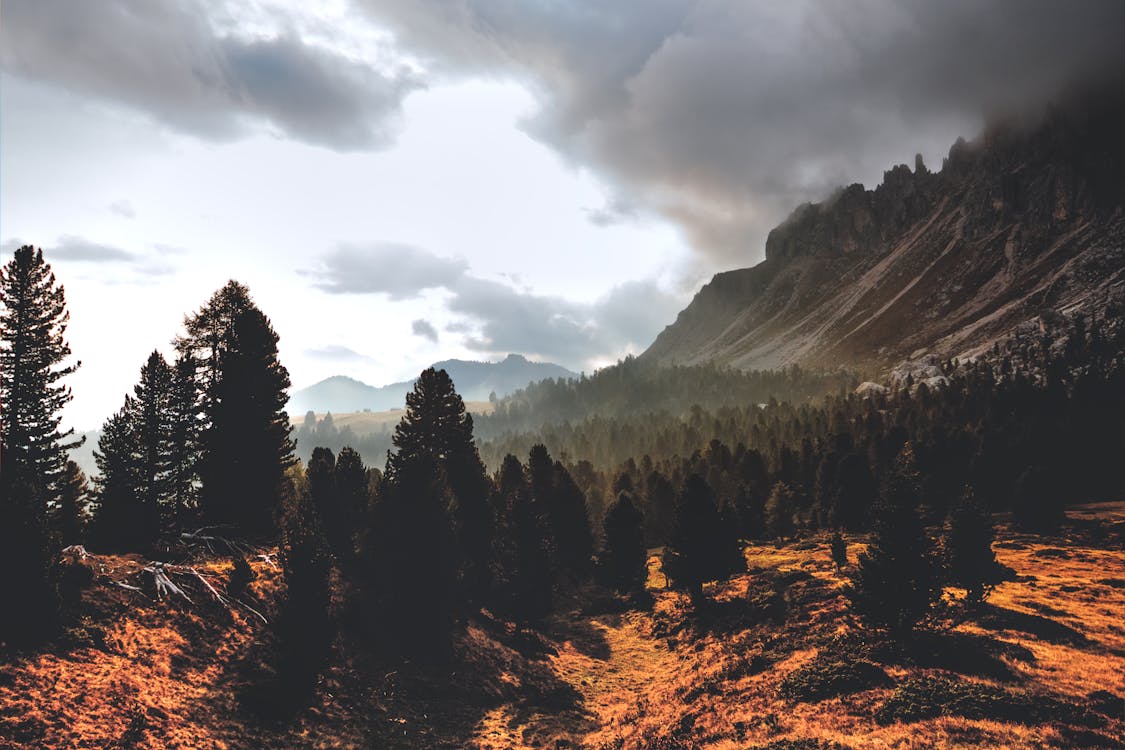
Exploring the Wonders of Nature
Nature, in all its glory, is a marvel that surrounds us, offering boundless beauty and profound benefits to humanity. From the lush green forests to the vast oceans, nature encompasses a spectrum of landscapes, ecosystems, and life forms. In this article, we delve into the depths of nature, uncovering its significance, exploring its wonders, and advocating for its conservation.
Introduction to Nature's Beauty
Nature's beauty is awe-inspiring, captivating hearts and minds with its breathtaking landscapes and diverse flora and fauna. From towering mountains to cascading waterfalls, from vibrant coral reefs to sprawling meadows, each facet of nature holds its own allure, inviting exploration and admiration.
The Importance of Nature Conservation
Preserving nature is paramount for the well-being of both present and future generations. Conservation efforts play a vital role in safeguarding biodiversity, maintaining ecosystem balance, and mitigating the impacts of climate change. By protecting natural habitats and endangered species, we ensure the sustainability of life on Earth.
Connecting with Nature: Benefits for Mind and Body
Immersing oneself in nature offers a plethora of benefits for mental and physical health. Studies have shown that spending time outdoors reduces stress, enhances mood, and boosts creativity. Whether it's a leisurely stroll through a park or a hike in the wilderness, nature rejuvenates the spirit and fosters a sense of peace and tranquility.
Biodiversity: The Rich Tapestry of Life
Biodiversity is the foundation of ecosystems, encompassing the variety of species, genes, and ecosystems on Earth. Each species plays a unique role in maintaining ecological balance and resilience. Preserving biodiversity is essential for food security, medicine discovery, and the sustainability of ecosystems.
Nature's Role in Climate Regulation
Nature acts as a vital regulator of the Earth's climate, absorbing carbon dioxide, releasing oxygen, and influencing weather patterns. Forests, oceans, and wetlands serve as carbon sinks, sequestering carbon from the atmosphere and mitigating the effects of climate change. Protecting and restoring these natural carbon reservoirs is crucial for combating global warming.
Nature-Inspired Innovations: Biomimicry
Nature has long been a source of inspiration for human innovation. Biomimicry, the practice of emulating nature's designs and processes, has led to groundbreaking advancements in technology, architecture, and medicine. From velcro inspired by burdock burrs to wind turbine designs inspired by humpback whale fins, nature offers endless solutions to human challenges.
Threats to Nature: Human Impact
Despite its resilience, nature faces numerous threats from human activities, including deforestation, pollution, habitat destruction, and climate change. The exploitation of natural resources and unsustainable practices pose grave risks to biodiversity and ecosystem stability. Addressing these threats requires concerted global action and a shift towards sustainable living.
Conservation Efforts: Protecting Our Natural Heritage
Conservation organizations and grassroots initiatives play a crucial role in protecting and restoring natural habitats. Through habitat preservation, species reintroduction programs, and community engagement, conservationists work tirelessly to safeguard our natural heritage and promote coexistence with wildlife.
Sustainable Living: Preserving Nature for Future Generations
Adopting sustainable practices in daily life is essential for minimizing our ecological footprint and preserving nature for future generations. From reducing waste and conserving energy to supporting eco-friendly products and initiatives, every individual can contribute to a more sustainable and harmonious relationship with nature.
Ecotourism: Exploring Nature Responsibly
Ecotourism offers a sustainable alternative to traditional tourism, promoting conservation and community development while providing immersive nature experiences. By supporting responsible travel practices and eco-friendly accommodations, travelers can minimize their impact on natural environments and contribute to local conservation efforts.
The Healing Power of Nature: Ecotherapy
Ecotherapy, also known as nature therapy or green therapy, harnesses the healing properties of nature to promote mental and emotional well-being. Whether through gardening, outdoor recreation, or wilderness therapy programs, connecting with nature can alleviate stress, depression, and anxiety, fostering a sense of inner peace and resilience.
Cultivating a Deeper Connection with Nature
Developing a deeper connection with nature requires mindfulness, appreciation, and stewardship. By immersing ourselves in the wonders of the natural world, cultivating a sense of wonder and humility, we can foster a deeper appreciation for the interconnectedness of all life forms and our role as stewards of the Earth.
Education and Awareness: Empowering Change
Education and awareness are powerful tools for inspiring environmental stewardship and fostering a culture of conservation. Through environmental education programs, advocacy campaigns, and community outreach initiatives, we can empower individuals and communities to take action towards protecting and preserving nature.
Conclusion: Embracing and Protecting Nature's Gifts
In conclusion, nature is a source of wonder, beauty, and sustenance that enriches our lives in countless ways. By embracing the marvels of the natural world and advocating for its conservation, we can ensure a sustainable future for generations to come. Let us cherish and protect nature's gifts, for they are the essence of life itself.
FAQs (Frequently Asked Questions)
Q1: Why is biodiversity important?
A1: Biodiversity is crucial for maintaining ecosystem resilience, providing ecosystem services, and supporting human well-being.
Q2: How can individuals contribute to nature conservation?
A2: Individuals can contribute to nature conservation through sustainable living practices, supporting conservation organizations, and advocating for environmental protection policies.
Q3: What are some examples of nature-inspired innovations?
A3: Examples of nature-inspired innovations include velcro, based on burdock burrs, and efficient wind turbine designs inspired by humpback whale fins.
Q4: What is ecotourism, and why is it important?
A4: Ecotourism is sustainable travel that promotes conservation and community development. It is important for minimizing environmental impact and supporting local economies.
Q5: How does nature benefit mental health?
A5: Nature offers numerous benefits for mental health, including stress reduction, mood enhancement, and increased creativity, through activities such as forest bathing and outdoor recreation.


0 Comments